

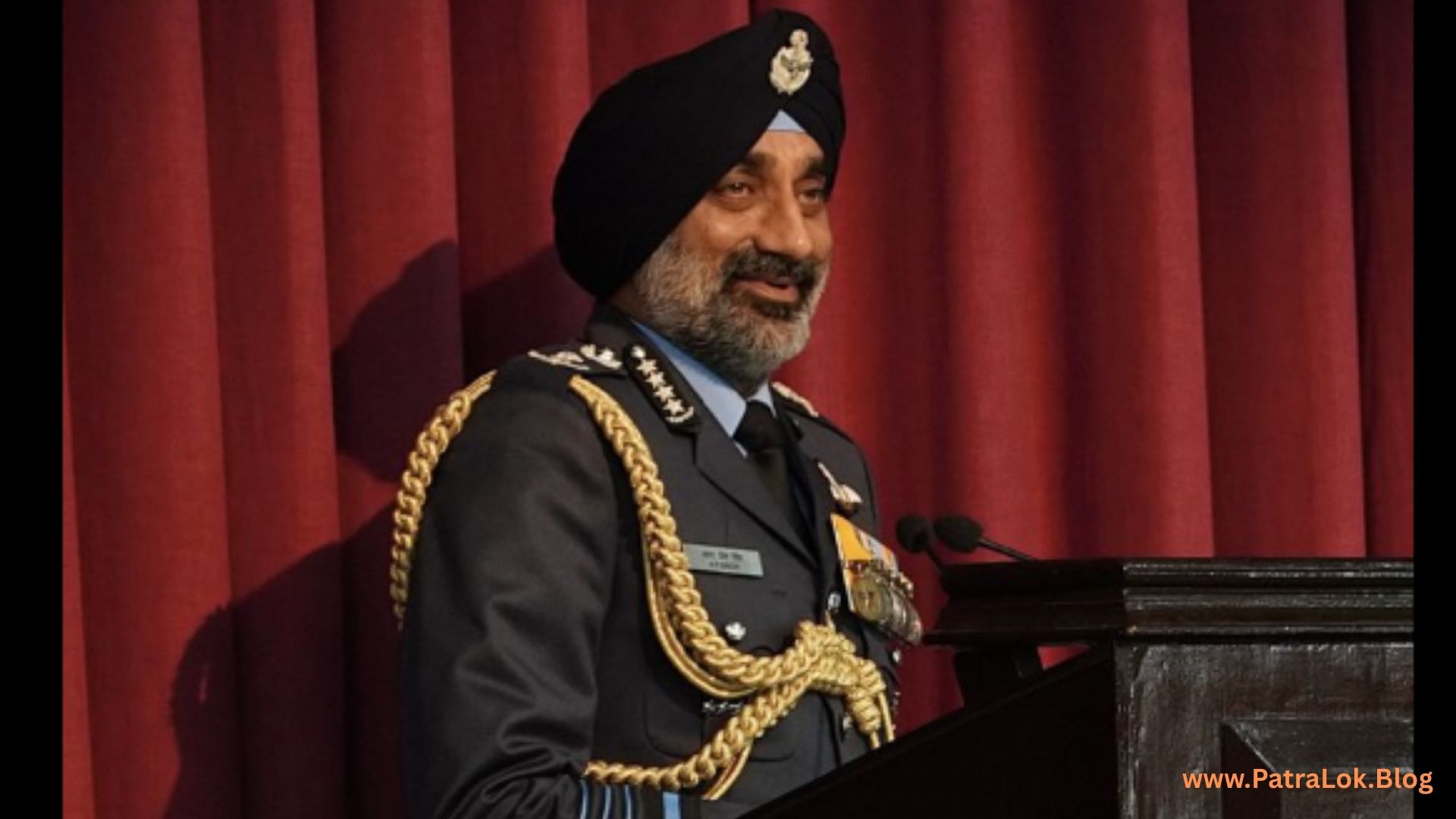
In India’s fast-changing security environment, the idea of integrated theatre commands has often been described as a transformative step toward strengthening the country’s defence forces. However, Air Chief Marshal A P Singh urges caution on theatre commands, reminding the nation that while reforms are necessary, they must be undertaken with foresight, balance, and long-term planning. His words highlight the delicate nature of reorganizing India’s military structure and the need to ensure that modernization strengthens, rather than complicates, operational readiness.
The Vision of Theatre Commands
Theatre commands are meant to integrate the Army, Navy, and Air Force under unified command structures for specific geographical or functional domains. This approach is designed to create seamless coordination, avoid duplication of resources, and bring sharper focus to joint operations. The model has been successfully implemented by several global powers, allowing them to respond more effectively to threats across land, sea, and air.
For India, which faces complex security challenges on multiple fronts—from the Line of Actual Control with China to the Line of Control with Pakistan and the expansive Indian Ocean Region—the idea of theatre commands appears both timely and necessary. Yet, as Air Chief Marshal A P Singh has cautioned, the process cannot be rushed.
A Call for Balance and Prudence
When Air Chief Marshal A P Singh urges caution on theatre commands, he is not rejecting the idea but asking for deeper reflection on how best to implement it. The Air Chief Marshal has emphasized that India’s security needs are unique, shaped by its geography, evolving threats, and the technological transition of its forces. In this context, simply replicating models from other nations without adapting them to India’s requirements could risk weakening, rather than strengthening, the system.
One of the main concerns expressed is the equitable distribution of resources and command responsibilities. Each service—the Army, Navy, and Air Force—has distinct operational needs. The Air Force, for example, operates across all terrains, supporting both land and maritime operations, which means its assets must remain flexible and not be locked rigidly into fixed geographical commands.
Learning From Global Experiences
Countries like the United States and China have adopted theatre commands, but their structures are built upon decades of doctrinal development and investment in joint warfare capabilities. India, while moving rapidly toward modernization, must ensure its path reflects its own defence ecosystem.
By urging caution, Air Chief Marshal A P Singh is advocating for a phased approach—one that allows lessons to be learned, challenges to be addressed, and the right frameworks to be built. This method ensures that once theatre commands are fully operational, they will serve as force multipliers rather than sources of friction between services.
The Importance of Jointness
The idea of “jointness” remains at the heart of the theatre command debate. The goal is not just to place the Army, Navy, and Air Force under one roof, but to foster a culture of seamless cooperation, shared training, and unified strategy. For this vision to succeed, careful planning and trust between services are critical.
Air Chief Marshal A P Singh’s cautionary stance reinforces the fact that jointness cannot be achieved overnight through administrative orders alone. It requires years of doctrinal alignment, technological integration, and cross-service understanding. Without these, the risk of operational gaps and miscommunication could rise at critical moments.
Moving Toward the Future
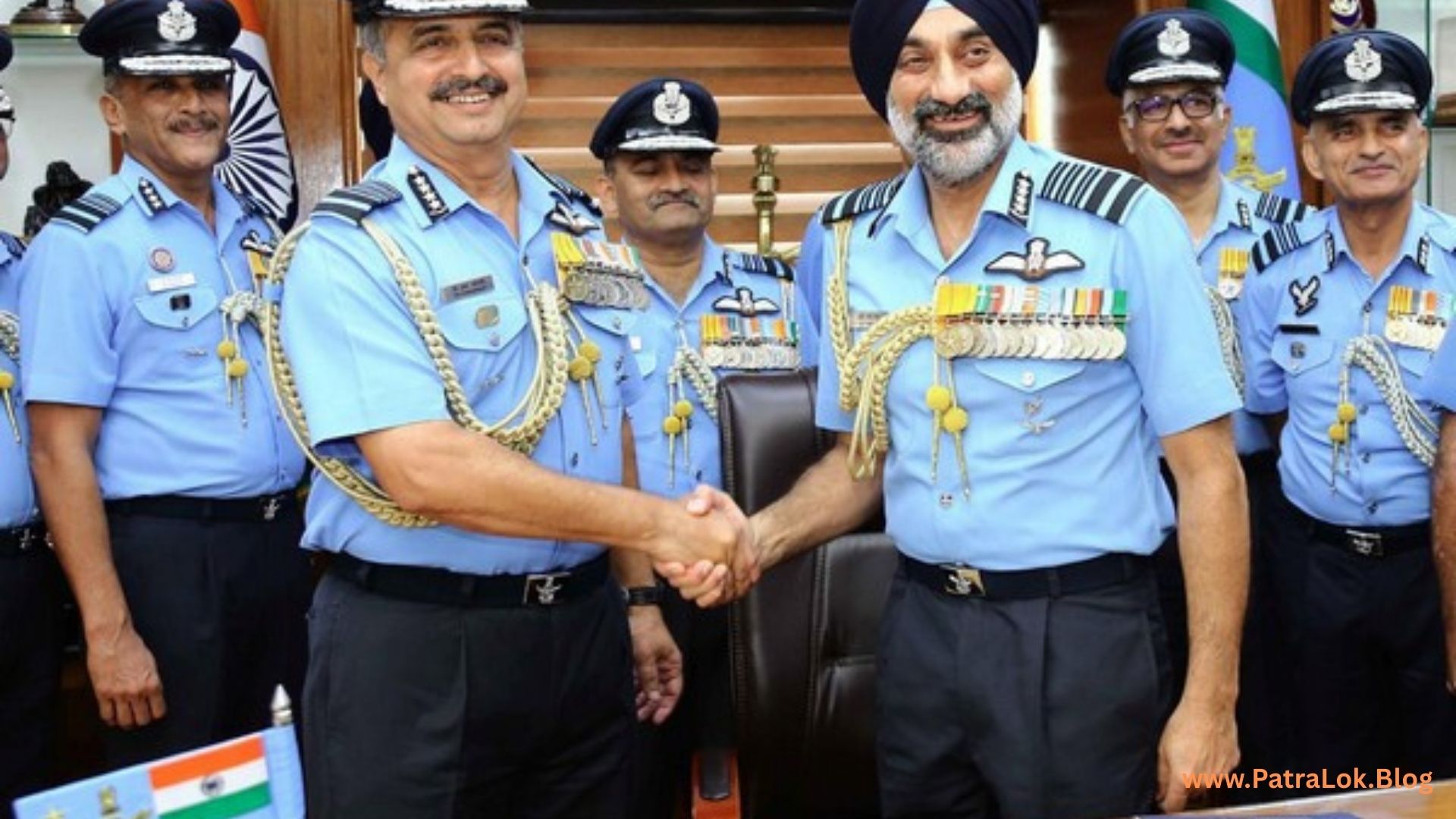 Despite the challenges, there is no denying that integrated theatre commands will eventually become a reality for India. The government and the armed forces are committed to ensuring that India’s defence structure evolves with modern warfare demands. In this journey, the advice of senior leaders like Air Chief Marshal A P Singh acts as a guiding light, reminding decision-makers that speed must never come at the cost of preparedness.
His words also reassure citizens that India’s armed forces are not just focusing on aggressive modernization but are equally attentive to ensuring that every step strengthens the nation’s security fabric. In a region where tensions are high and adversaries are agile, such prudence is not hesitation—it is wisdom.
Conclusion
The statement that Air Chief Marshal A P Singh urges caution on theatre commands is a timely reminder that structural reforms in defence must be handled with care. While integrated theatre commands hold immense promise, they demand thoughtful implementation tailored to India’s unique challenges and strengths. By proceeding with caution, India can ensure that when its theatre commands come into full effect, they will truly enhance operational effectiveness, safeguard national interests, and serve as pillars of joint military power.
In the end, this approach is not about slowing down change—it is about ensuring that change is sustainable, effective, and worthy of the sacrifices made by the men and women who serve in uniform.
Disclaimer: This article is based on publicly available reports and statements. It is intended for informational purposes only and does not represent official communication from the Indian Air Force or the Government of India.
Indian Navy Commissions 2 Nilgiri-Class Frigates In Big Boost To Naval Power
Ukraine’s Appeal for Security Guarantees: A Cry for Safety and Stability
Ganesh Chaturthi 2025: Must-Visit Ganpati Mandals in Mumbai and Pune That Draw Millions of Devotees